
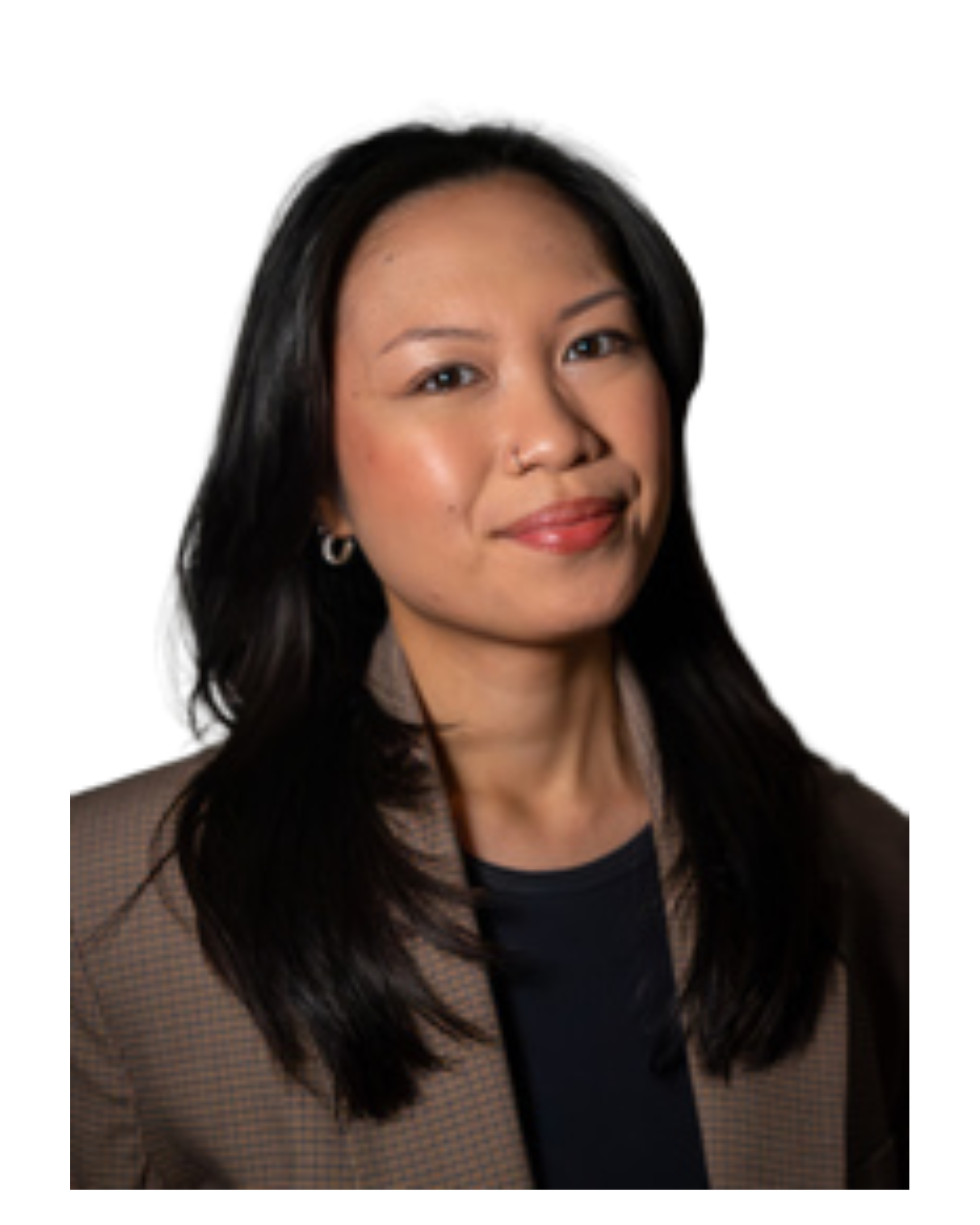
← MEET THE TEAM
REGISTERED PSYCHOTHERAPIST (QUALIFYING)
Andrea
DTATI CANDIDATE
ART THERAPY
LGBTQIA+
BIPOC COMMUNITIES
Intergenerational trauma & cultural identity
Grief, anxiety & everyday stress
Children, youth & older adults
Narrative & mindfulness-based approaches
01
— IN HER OWN WORDS
What led you to become a therapist, and what keeps you engaged in this work today?
I didn't grow up in an environment where mental health was openly discussed, and there was stigma around seeking therapy. Years later, during a dark period of loneliness, I sought therapy myself and was introduced to art therapy. Through community arts, reconnecting with my Philippine heritage, and volunteering in social services, I was reminded of how healing it is to create spaces where people can express themselves without judgment. Seeing others thrive and create positive social change continues to motivate and ground my work.
03
What kinds of concerns do you most enjoy and feel most skilled in supporting?
I'm passionate about supporting people to reconnect with themselves, work through emotions held in the body, and live in ways that feel more true to who they are. Art can help express experiences that are hard to put into words, like trauma and grief. As a first-generation immigrant, I understand challenges around intergenerational trauma, cultural identity, family expectations, and professional burnout.
02
How would you describe your therapeutic style, and what is it like to work with you?
I bring my own lived experience, learning, and curiosity into my work, meeting clients where they are. I focus on client strengths and draw from approaches like narrative therapy, mindfulness, and compassionate inquiry. I usually start with a check-in, then we spend time art making - always tailored to client needs and goals. I invite clients to experiment and trust the process, holding space for what comes up at your own pace.
04
Who tends to be a good fit for your approach to therapy?
No art experience is needed, I believe everyone is an artist, and that the process matters more than the final result. Using shapes, colours, and images can help bring out buried thoughts and feelings. I aim to create a supportive space for people who have been marginalized because of their identities or life experiences. I have worked with children, youth, older adults, and people from BIPOC and LGBTQIA+ communities.
— WORK WITH ANDREA
Andrea uses the creative process to help clients uncover meaning and imagine new possibilities. All sessions are
50 minutes and offered in person or virtually.
A note on rates: Andrea currently offers discounted student rates. She will be moving to standard practice rates upon her graduation in
June 2026 - a great time to start if you're looking for accessible pricing.
Free Virtual Consultation & Mutual Fit Assessment
A low-pressure space to share your goals and ask questions before beginning. This ensures a genuine connection and that Andrea's evidence-based approach aligns with your journey.
VIRTUAL
FREE — 15 MIN
IN PERSON
50 MIN
Free Virtual Consultation & Mutual Fit Assessment
Art Therapy for Individuals, Couples and Families $85-100
A low-pressure space to share your goals and ask questions before beginning. This ensures a genuine connection and that Andrea's evidence-based approach aligns with your journey.
A low-pressure space to share your goals and ask questions before beginning. This ensures a genuine connection and that Andrea's evidence-based approach aligns with your journey.
Art therapy provides a safe, non-judgmental space to address issues like grief, stress, conflict, and life transitions. Collaborative sessions allows family members or partners to build trust through shared creative experiences.
VIRTUAL