
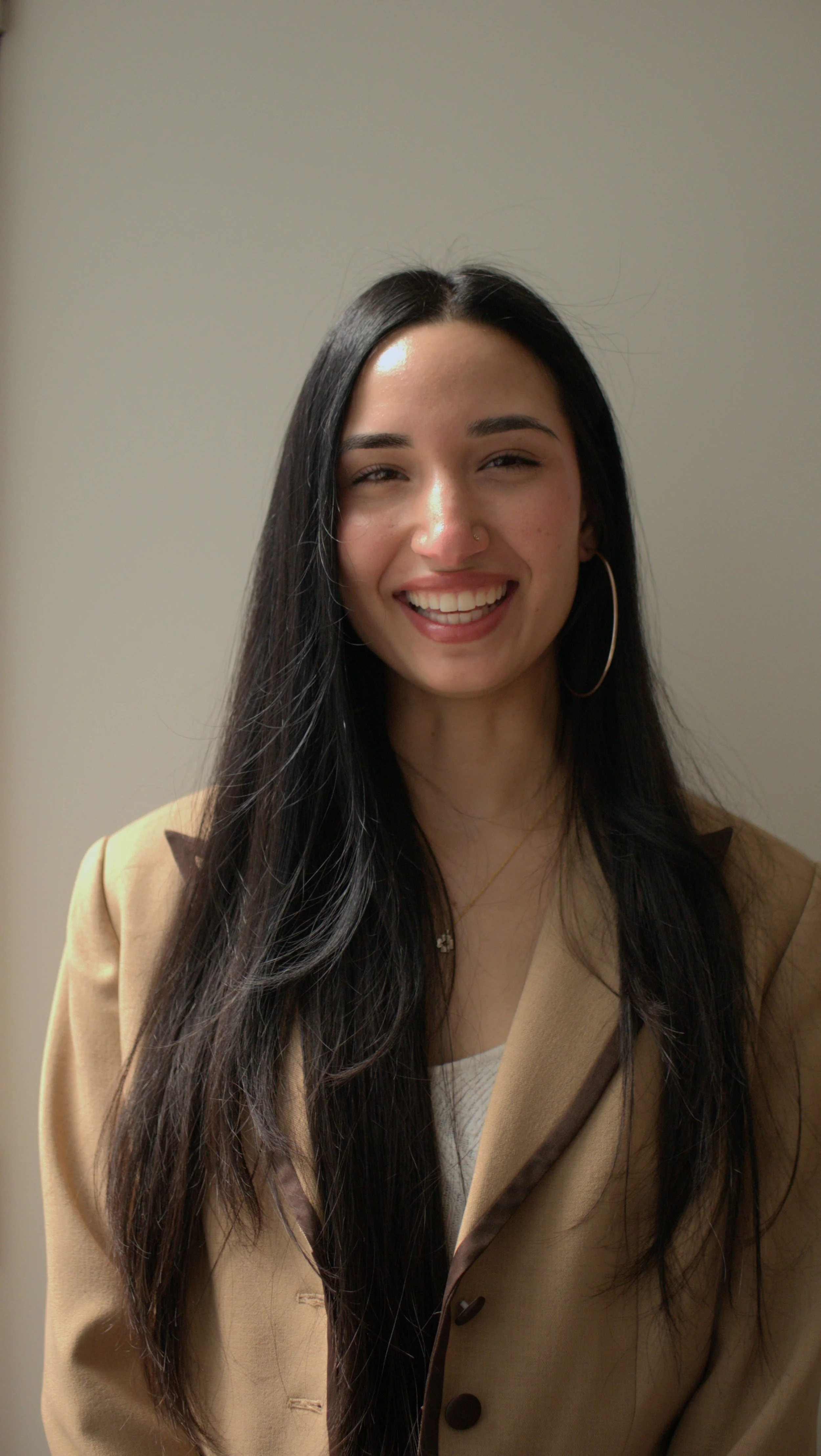
SHAGOON SHARMA, RP (Qualifying)
1. What led you to become a therapist, and what keeps you engaged in this work today?
What led me to becoming a therapist was a simple but deeply rooted belief: I never wanted anyone to go through their pain alone. I had to fight my own mental health battles largely on my own, learning how to live with and befriend my mental health “roommates.”
Like roommates, our mental health can come in waves. At times, it can feel so loud that it’s all you can hear; in other moments, it becomes so quiet that you forget it’s even there—until it isn’t. That journey took time, and much of it felt incredibly isolating.
Through lived experience, I’ve learned that pain can take us in two very different directions. We can become closed off and guarded, or we can allow those experiences to shape us in a way that creates connection and meaning. I chose the latter. I learned how to take my pain and allow it to become a bridge to help close the gaps of isolation that so many people, like myself, have felt. Pain allows us to connect with others in ways that create a deeper understanding and bond. It takes pain to know pain, right?
2.How would you describe your therapeutic style, and what is it like to work with you?
My therapeutic style is best described as eclectic and integrative. I draw from person-centered, narrative, solution-focused, cognitive-behavioral, and emotionally focused approaches, allowing therapy to be tailored to each client rather than confined to one model.
At the core, my work is grounded in person-centered values—safety, collaboration, and respect—while also integrating practical tools. Together, we may set goals, identify patterns, explore and rewrite personal narratives, examine attachment experiences from childhood, and work through cycles of negative rumination or emotional overwhelm.
Working with me often feels supportive, warm, and engaged. I aim to be both a steady presence and an active collaborator, who will walk alongside you, encourage you, and also gently challenge you when needed. I strive to create a space where you feel supported even during the uncomfortable or difficult moments of growth.
3. What kinds of concerns or life challenges do you most enjoy and feel most skilled in supporting?
I feel most confident and engaged in supporting clients who are navigating life transitions, relationship dynamics, and concerns related to anxiety and depression. I enjoy helping individuals make sense of how their emotional experiences, relational patterns, and internal narratives interact with one another.
I have a particular interest in working with relational and cultural dynamics—especially those shaped by family systems, attachment experiences, and intergenerational expectations. And yes, extra brownie points for unpacking the complexities of Asian household dynamics, including cultural values, boundaries, and identity.
4. Who tends to be a good fit for your approach to therapy?
Clients who tend to be a good fit for my approach are those who are curious about themselves and open to reflection, even if they’re unsure where to start. You don’t need to have everything figured out or come in with clear answers; a willingness to explore, question, and engage is more important than having a defined goal.
If you’re seeking support, greater self-understanding, or a space to slow down and make sense of your experiences, my approach may be a good fit. Therapy with me is collaborative, and we move at a pace that feels both respectful and meaningful.
5. What values guide your work as a therapist and the relationships you build with clients?
My work as a therapist is guided by values of compassion, authenticity, curiosity, and respect. I place a strong emphasis on creating a space where clients feel emotionally safe, heard, and understood without judgment or pressure to “fix” themselves.
I value collaboration and transparency in the therapeutic relationship, believing that clients are the experts of their own lives. I also value cultural humility and strive to remain aware of how identity, culture, and lived experience shape the way people move through the world.
Above all, I believe in honoring each client’s autonomy and resilience, and in supporting them as they build self-trust, agency, and a deeper sense of connection with themselves and others. At the end of the day, we are all just humans trying to navigate life with the tools we have and it's an honor to be on that journey with you.